
Indiana Driver’s Accident Guide: What To Do After a Car Accident
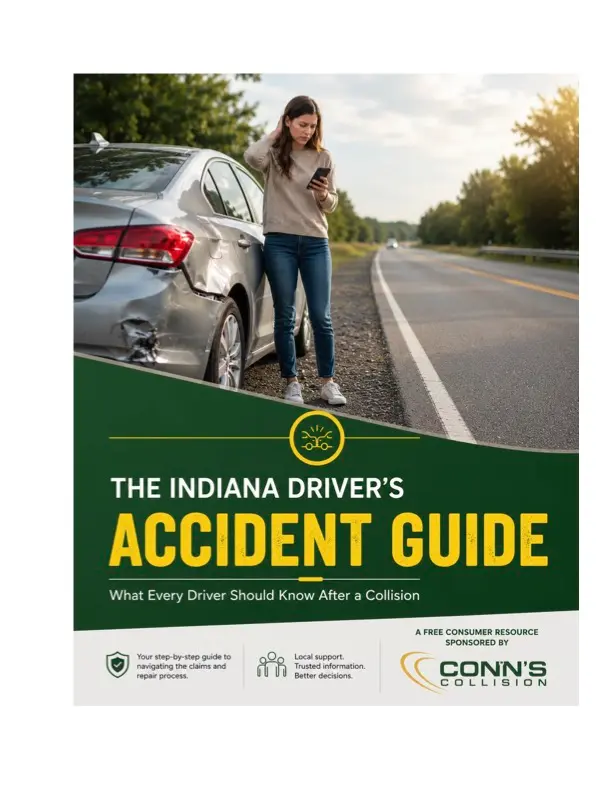
Accidents happen when you least expect them. Whether you’ve been involved in a minor fender bender or a major collision, understanding what steps to take next can help protect your safety, simplify the insurance process, and ensure your vehicle is repaired properly.
This guide was created to help Indiana drivers understand what happens after an accident, from filing an insurance claim to selecting a collision repair facility. By knowing your rights and understanding the repair process, you can make informed decisions and reduce stress during an already difficult situation.
What To Do Immediately After an Accident
Put Safety First
- Check for injuries
- Call 911 if necessary
- Move vehicles to safety
- Turn on hazard lights
- Cooperate with law enforcement
Avoid Discussing Fault
Do not admit fault or speculate about what happened. Let law enforcement and insurance companies determine liability based on the facts.
Information You Should Gather After an Accident
Collect:
- Driver names
- Phone numbers
- Insurance information
- Policy numbers
- Vehicle information
- License plate numbers
If possible, gather witness information as well.
Take Photos of the Accident
Photograph:
- Vehicle damage
- Accident scene
- Insurance cards
- Driver licenses
- Road conditions
- Traffic signs
How To File an Insurance Claim
Most insurance companies allow claims through:
- Mobile apps
- Online portals
- Insurance agents
Before filing your claim, have the following available:
- Date and time of accident
- Location
- Photos
- Police report information
- Driver information
Common Insurance and Collision Repair Terms Explained
What Is a Deductible?
A deductible is the amount you are responsible for paying toward your vehicle repairs before your insurance coverage begins paying its portion of the claim. The deductible amount is determined by the coverage selected on your insurance policy.
For example, if your vehicle requires $5,000 in repairs and your policy has a $500 deductible, you would be responsible for paying the first $500 while your insurance company would pay the remaining covered repair costs.
Deductibles commonly apply to collision and comprehensive claims, but coverage details vary by policy. If you’re unsure what deductible applies to your claim, your insurance company can provide clarification.
What Is an Estimate?
An estimate is a professional assessment of the visible damage to your vehicle and the anticipated cost to repair that damage. Estimates are created using specialized software, manufacturer information, labor rates, and parts pricing.
It’s important to understand that an estimate is based only on damage that can be seen during the initial inspection. Modern vehicles often have hidden damage behind bumpers, panels, and structural components that cannot be fully evaluated until repairs begin.
An estimate serves as the starting point for the repair process and helps insurance companies and repair facilities determine the scope of work needed to restore the vehicle.
What Is a Supplement?
A supplement is an additional repair authorization requested after hidden damage is discovered during the repair process.
Many collisions cause damage beneath the vehicle’s exterior panels that cannot be identified until technicians begin disassembly. When this additional damage is found, the repair facility documents the findings and submits a supplement request to the insurance company for review and approval.
Supplements are a normal and expected part of many collision repairs and do not necessarily indicate that the original estimate was incorrect. They simply reflect damage that was not visible during the initial inspection.
What Is a Total Loss?
A vehicle may be declared a total loss when the cost to repair the damage approaches or exceeds the vehicle’s actual cash value. Insurance companies consider several factors when making this determination, including the vehicle’s age, condition, mileage, market value, and the estimated cost of repairs.
When a vehicle is determined to be a total loss, the insurance company typically offers a settlement based on the vehicle’s pre-accident value, minus any applicable deductible or policy adjustments.
Every insurance company uses its own evaluation process, and total loss thresholds can vary depending on state regulations and individual policy terms.
OEM vs. Aftermarket vs. LKQ Parts
During the repair process, several types of replacement parts may be used depending on your vehicle, insurance policy, and repair requirements.
OEM Parts (Original Equipment Manufacturer)
OEM parts are manufactured by the same company that produced the original components installed on your vehicle. These parts are designed to meet the vehicle manufacturer’s specifications for fit, function, and performance.
Many vehicle owners prefer OEM parts because they provide the closest match to the original equipment that came with the vehicle.
Aftermarket Parts
Aftermarket parts are produced by companies other than the vehicle manufacturer. These parts are designed to function similarly to OEM components and are commonly used in collision repairs.
Quality aftermarket parts can provide a cost-effective repair solution, though fit and manufacturing standards may vary depending on the supplier.
LKQ Parts (Like Kind and Quality)
LKQ parts are recycled original equipment parts obtained from another vehicle of similar make, model, and condition. These parts are inspected before use and can be an economical and environmentally friendly repair option.
Because LKQ parts were originally manufactured by the vehicle’s automaker, they often provide an excellent fit while helping control repair costs.
Which Type of Part Is Best?
The appropriate part choice depends on several factors, including vehicle age, manufacturer requirements, insurance policy provisions, part availability, and repair objectives. A qualified collision repair facility can help explain the options available for your specific repair and answer any questions about the parts being used on your vehicle.
Can I Choose My Own Body Shop in Indiana?
Yes.
Indiana drivers have the right to select the repair facility of their choice.
While insurance companies may recommend certain facilities, the final repair decision belongs to the vehicle owner.
Choosing a collision repair facility that follows manufacturer repair procedures and prioritizes safety can make a significant difference in repair quality.
Questions To Ask Before Choosing a Collision Repair Shop
Before authorizing repairs, ask:
- Do you follow manufacturer repair procedures?
- Will my vehicle need ADAS calibrations?
- Is there a written warranty?
- How are updates communicated?
- What happens if hidden damage is found?
Why Repair Costs Sometimes Increase
Many repairs involve hidden damage that is not visible until the vehicle is disassembled.
When additional damage is discovered, a supplement is submitted to the insurance company for approval.
This is a normal part of the repair process and does not necessarily indicate a problem with the original estimate.
Why Collision Repairs Sometimes Take Longer Than Expected
Factors that affect repair timelines:
- Parts availability
- Insurance approvals
- Hidden damage
- Manufacturer procedures
- Vehicle safety system calibrations
The goal should always be a safe and complete repair rather than the fastest possible repair.
Indiana Accident Checklist
✓ Everyone is safe
✓ Photos taken
✓ Information exchanged
✓ Claim filed
✓ Repair facility selected
✓ Rental arrangements made
✓ Repair authorization completed
Frequently Asked Questions About Car Accidents in Indiana
Do I Have To Use The Insurance Company’s Recommended Body Shop?
No. Indiana drivers can choose their own repair facility.
How Long Does Collision Repair Take?
Repair times vary depending on parts availability, vehicle complexity, and hidden damage.
What Happens If More Damage Is Found During Repairs?
The repair facility submits a supplement request to the insurance company.
Will My Insurance Premium Increase After An Accident?
This depends on your insurance company, fault determination, and policy.
What Are OEM Parts?
OEM parts are made by the original vehicle manufacturer and are designed specifically for your vehicle.
Can Modern Safety Systems Be Damaged In A Collision?
Yes. Many vehicles require calibration and testing after repairs to ensure advanced safety systems function properly.
Why Drivers Throughout East Central Indiana Trust Conn’s Collision
- Serving Indiana drivers for years
- Manufacturer repair procedures
- Customer-focused service
- Free estimates
Get A Free Collision Repair Estimate
Phone: (765) 584-4515
Call Us Now!
Discover the Conn’s Collision Difference
Family Owned & Operated
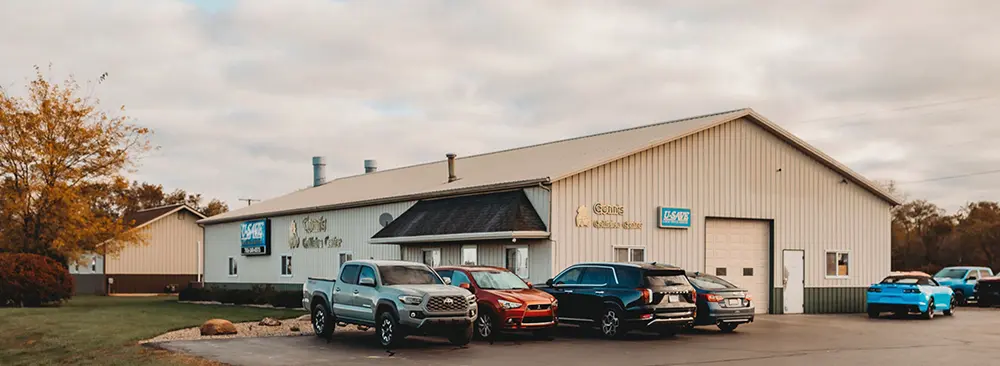
Established in 1997 by Gary Conn, Conn’s Collision has remained a family-owned and operated business, proudly serving as Randolph County’s premier repair facility. With deep community roots and a dedication to quality, drivers trust Conn’s to get their vehicles repaired right every time.
Backed by PPG’s Lifetime Limited Paint Performance Guarantee
At Conn’s Collision, every repair is finished with premium PPG automotive paint. Your vehicle’s refinish is protected for as long as you own it against peeling, cracking, or loss of gloss—backed directly by PPG’s nationwide Lifetime Limited Warranty.